

Curb appeal is the first impression your home makes from the street. In the Pacific Northwest, where moss, rain, shade, and seasonal wear can sneak up fast, a smart exterior refresh can make your home feel cleaner, brighter, better maintained, and more inviting to buyers.
The Short Answer
The fastest way to improve curb appeal in the Seattle area is to clean the windows and gutters, remove moss, pressure-wash appropriate surfaces, trim overgrown landscaping, repair peeling paint and safety issues, and refresh the front entry. Start with cleanliness and maintenance before spending money on decorative upgrades.
- First: Correct safety hazards and obvious deferred maintenance.
- Next: Clean, trim, wash, repair, and declutter.
- Then: Add paint, lighting, plants, and welcoming details.
Buyers start judging a home before they ever walk through the front door.
That might sound harsh, but it is true. The driveway, front walk, landscaping, paint, porch, roofline, gutters, lighting, and front door all send a message. Sometimes that message is, “This home has been loved and cared for.” Other times it is, “There may be a lot of deferred maintenance hiding here.”
That is why curb appeal matters so much when selling a home in Seattle, Snohomish County, and the greater Puget Sound area. The exterior sets the tone. It creates the emotional first impression. It helps buyers decide whether they feel excited, cautious, or underwhelmed.
The good news: improving curb appeal does not always require a huge remodel. Some of the highest-impact improvements are simple, practical, and relatively affordable.
Tell-it-like-it-is moment: Buyers may not notice every little thing you fix, but they absolutely notice when the outside of a home feels tired, dirty, overgrown, or neglected. Curb appeal is not about being fancy. It is about looking clean, cared for, and move-in ready.
What Is Curb Appeal?
Curb appeal is the overall attractiveness of your home from the street. It includes the landscaping, exterior condition, entryway, driveway, walkways, lighting, roofline, paint, siding, windows, porch, fencing, and the way all those pieces work together.
For a Seattle area home, curb appeal also has to account for our local climate. Moss grows fast. Gutters fill up. Wood can rot. Paint can weather. Decks and steps can get slick. Shade can make a yard look darker than it really is. A few wet seasons can make a perfectly good house look more tired than it should.
That is why the best curb appeal strategy in the Pacific Northwest starts with cleanliness, maintenance, and safety before moving into decorative upgrades.
Start With the Projects That Actually Matter
Before you spend money on flowers, shutters, or a new mailbox, step back and look at the house the way a buyer will see it. What is the first thing they notice? What looks worn out? What looks unsafe? What looks unfinished?
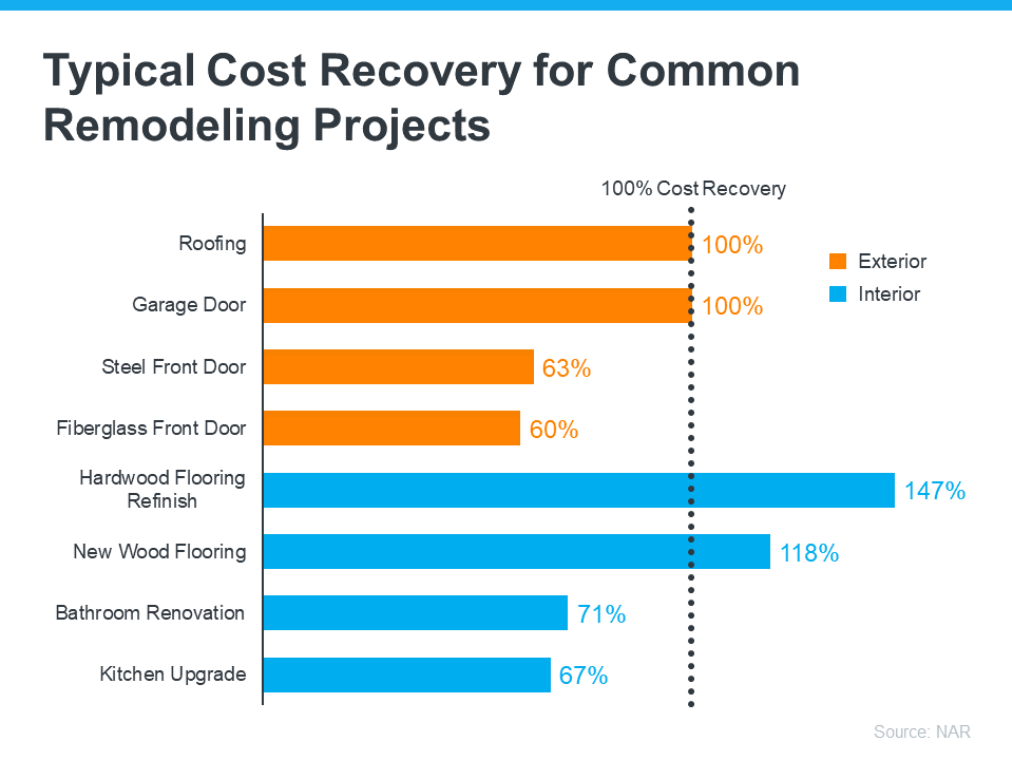
The original version of this post included a remodeling cost recovery graphic to help homeowners think about return on investment. That is still the right mindset. Not every improvement needs to be expensive, and not every expensive improvement is worth doing right before you sell.
31 Curb Appeal Ideas for Seattle Area Homes
Here are practical curb appeal improvements that can help your home look better from the street. You do not need to do all 31. The goal is to choose the projects that make the biggest difference for your property, your budget, and your timeline.
Clean the Windows
Start simple. Clean windows make the entire home feel brighter, fresher, and better cared for. Dirty windows can make even a nice home look neglected.
Clean both the glass and the trim around the windows. If screens are torn, missing, bent, or dirty, repair or replace them.
Pressure Wash Carefully
In the Pacific Northwest, pressure washing can make a dramatic difference. Driveways, patios, walkways, decks, fences, and siding can all collect moss, mildew, algae, and grime.
Be careful with pressure. Too much force can damage wood, siding, roofing, and older concrete. Roof cleaning is best left to a qualified professional.
Clean Gutters and Downspouts
Overflowing gutters tell buyers the home may not be maintained. Clean out leaves, needles, moss, and debris. Make sure downspouts are connected and draining properly away from the home.
Refresh the Driveway
Clean the driveway, remove weeds, address oil stains, and repair obvious cracks where appropriate. A clean driveway creates an immediate sense of order.
If the driveway edge is messy, consider adding a crisp border with stone, brick, pavers, or clean edging.
Improve the Walkway
The walkway guides buyers to the front door. Make sure it is clean, safe, level, and easy to follow. Remove moss, weeds, loose pavers, trip hazards, and clutter.
A curved paver walkway or decorative concrete overlay can be beautiful, but even a clean, repaired walkway can make a big difference.
Dress Up the Front Door
Your front door is one of the most important curb appeal features. Paint it, clean it, repair it, or replace it if needed.
A warm, confident front door color can create personality. At minimum, the door should be clean, solid, properly sealed, and in good repair.
Update the Door Hardware
The front door handle is often the first thing a buyer physically touches. Make sure it feels secure, clean, current, and functional.
Fresh hardware, a keyless entry system, a new doorknocker, or a coordinated finish can make the entry feel more polished.
Rake, Edge, and Clear the Yard
Remove leaves, branches, clutter, weeds, and debris. Edge the lawn and garden beds. In our climate, yard mess can build up quickly, especially under trees and shaded areas.
Update House Numbers
Modern house numbers are inexpensive and high-impact. Choose a clean font and a finish that coordinates with your exterior lighting and door hardware.
Make sure the numbers are easy to see from the street.
Upgrade the Mailbox
A worn-out mailbox can make the front of the home feel dated. Replace it, repaint it, or clean it up. If it has a post, make sure the post is straight and painted or stained.
Repair or Replace Exterior Lighting
Exterior lights should be clean, functional, and consistent with the home’s style. Replace burned-out bulbs, clean fixtures, and consider updating dated porch lights.
Matching warm bulbs can make evening showings and listing photos feel much better.
Fix Lawn Dead Spots
Shade, moss, drainage, and foot traffic can create bare areas in Seattle area lawns. Repair the lawn where possible, add sod where practical, or turn problem areas into planting beds.
Renew Planter Beds
Pull weeds, remove dead shrubs, trim healthy plants, add fresh mulch or beauty bark, and create clean bed edges. Fresh beds make a home look instantly more cared for.
Trim Trees and Shrubs
Overgrown trees and bushes can hide the house, block light, crowd walkways, and make the property feel smaller or darker. Trim back growth so the home can breathe.
Keep vegetation away from siding, roofing, windows, and the foundation where possible.
Clean Up the Entry
The entry should feel intentional. Remove clutter, add a fresh doormat, place a couple of attractive pots near the door, and make sure the porch is swept and clean.
Renew Porches and Decks
Decks and porches are a big deal in the Pacific Northwest. Check for rot, loose boards, peeling stain, unstable railings, slick surfaces, and safety issues.
Clean, repair, stain, or paint as needed. Buyers notice deck condition fast.
Upgrade Railings
Old, rusty, loose, or dated railings can drag down the entire front elevation. Repair, repaint, or replace railings so they feel safe and coordinated with the home.
Add Window Boxes
Window boxes add charm and color, especially on cottages, craftsman homes, and traditional-style houses. Keep them simple and well maintained.
Hide or Dress Up Utilities
Utility boxes, hoses, garbage cans, and equipment can create visual clutter. Use tasteful screens, storage solutions, plants, or fencing to reduce the eyesore without blocking required access.
Install Outdoor Lighting
Landscape lighting can highlight walkways, trees, steps, patios, and architectural features. It also improves safety and gives the home stronger evening appeal.
Add Container Gardens
Container gardens are one of the fastest ways to add color and life. Use them near the front door, along steps, near seating areas, or anywhere the home needs a visual lift.
Tile or Refresh the Doorstep
If the entry slab or porch feels plain, consider tile, paint, stain, or a decorative overlay. Keep the look consistent with the home’s style and make sure the surface is safe when wet.
Remove a Problem Tree
Sometimes removing a tree can dramatically improve light, visibility, safety, and yard function. Use a professional arborist for large trees, trees near the home, or any complicated removal.
Plant a Tree
A well-placed tree can frame the home, add character, create privacy, and improve long-term landscape appeal. Choose the right species for the space and avoid planting too close to the house.
Edit Lawn Art
Lawn art can be charming, but too much can feel cluttered. Remove broken, faded, or excessive pieces. Keep only what complements the home and landscape.
Add or Paint Shutters
Shutters can add character when they match the architecture. If the home already has shutters, clean and repaint them. If you add new ones, make sure they look proportional and intentional.
Create a Flower Bed
If the front yard feels flat or empty, a flower bed can add color, movement, and depth. Use a mix of shrubs, perennials, seasonal flowers, and clean edging.
Add Hanging Planters
Hanging baskets are easy, cheerful, and budget-friendly. Just make sure they are watered, healthy, and not blocking walkways or sightlines.
Use Stone Veneer Carefully
Stone veneer can dress up exposed foundation areas, columns, or accent walls. Use it strategically. Too much can feel heavy or out of character with the home.
Update Paint, Siding, and Trim
Peeling paint, damaged siding, and tired trim are major red flags. Sometimes a full paint job is needed. Other times, strategic touch-ups and trim repair can go a long way.
Repair Fencing and Garage Doors
Leaning fences, broken gates, tired garage doors, and rotted wood all make the property feel neglected. Repair, repaint, or replace what is obviously damaged.
Bonus Curb Appeal Reminders
- Finish what you start.
Half-finished projects make buyers wonder what else has been neglected. - Look at the home at night.
Buyers may drive by after work. Lighting, visibility, and safety still matter after sunset. - Stand in the buyer’s shoes.
Walk across the street and look at the home like you are seeing it for the first time. - Small things matter.
Clean windows, fresh mulch, a new doormat, working lights, and a tidy yard can change the whole feel.
What Should You Do First?
If you are getting ready to sell, do not start with the fanciest project. Start with the most obvious problems.
Most Seattle area sellers should begin with these basics:
- Clean the windows.
Inside, outside, tracks, screens, and trim. - Pressure wash carefully.
Walkways, driveway, patio, deck, and siding where appropriate. - Trim the landscaping.
Mow, edge, weed, prune, and remove debris. - Fix peeling paint.
Especially trim, doors, fascia, railings, and highly visible areas. - Repair safety issues.
Loose railings, slick steps, rotted decking, uneven walkways, broken fencing. - Add simple color.
Flowers, pots, hanging baskets, fresh mulch, and a welcoming entry.
My opinion: If a seller only has one weekend and a modest budget, I would focus on cleaning, pressure washing, trimming, mulch, flowers, front door touch-up, and exterior lighting. That combination usually gives the best visual improvement for the least amount of money.
Curb Appeal Questions Seattle-Area Sellers Ask
What adds the most curb appeal before selling?
Cleanliness and visible maintenance usually make the biggest first impression. Clean windows and gutters, remove moss and debris, trim landscaping, correct peeling paint, repair unsafe steps or railings, and make the front entry feel bright and cared for.
How much should a seller spend on curb appeal?
There is no universal amount. Start with safety and deferred maintenance, then choose improvements that fit the home’s condition, price range, neighborhood, and listing timeline. Many homes benefit more from a focused weekend of cleaning and repairs than from an expensive cosmetic project.
Does curb appeal increase a home’s value?
Curb appeal can improve buyer confidence, listing photos, showing interest, and the emotional first impression of the property. It does not guarantee a specific price increase, but a neglected exterior can cause buyers to anticipate additional repairs and approach the home more cautiously.
What curb appeal projects can be completed in one weekend?
Clean the windows, sweep the entry, remove yard debris, mow and edge the lawn, pull weeds, trim smaller shrubs, spread fresh mulch, replace burned-out bulbs, add a doormat or planters, and touch up the front door where appropriate.
How should Seattle homeowners handle moss and shaded lawns?
Address the conditions rather than hiding them. Improve drainage where needed, clear debris, prune vegetation carefully to increase light and airflow, and use lawn or planting solutions suited to shade. Use appropriate cleaning methods and hire a qualified professional for roofs, steep surfaces, large trees, or hazardous work.
Should sellers paint the exterior before listing?
A full repaint may be worthwhile when paint is broadly failing or the color seriously limits the home’s appeal. If the exterior is generally sound, targeted repairs and touch-ups to peeling trim, fascia, doors, and other highly visible areas may be the more practical pre-listing choice.
Final Thoughts on Adding Curb Appeal
You do not need to complete all 31 curb appeal projects before selling your house. That would be overkill for most homes.
The goal is to step back, look at your property with fresh eyes, and decide which improvements will make the home feel cleaner, safer, brighter, and more inviting from the street.
At a bare minimum, keep the landscaping neat, mow the lawn, pull weeds, trim bushes, clear debris, fix peeling paint, repair broken railings or decking, pressure wash where appropriate, plant a few flowers, and clean the windows.
That alone can make a major difference.
When buyers pull up to a home that looks loved and well maintained, they enter with more confidence. When they pull up to a home that looks tired, messy, or neglected, they start looking for problems before they even reach the front door.
Curb appeal is not just decoration. It is buyer psychology. And in a competitive Seattle area market, that first impression matters.
Helpful Home Seller Resources
Thinking about selling your home in Seattle, Snohomish County, or the greater Puget Sound area? These resources can help you plan your next steps.
Share this post!

3 Comments on “31 Curb Appeal Ideas for Seattle-Area Homes”
Thanks for sharing on how to add curb appeal to your Snohomish County home. I like it!
While it might seem like a superficial thing to do, making your home more appealing will make selling it easier because potential customers are much more likely to fall in love with a house if it has that something extra. It is best to consider as many curb appeal elements as possible when doing a fix-up of your home to increase desirability and interest.
I was searching for this type of complete guidelines which will work for me. I need to sell my home because I will permanently relocate to a new location. I noted your tips which I can do quickly with a considerable amount of budget. Lighting, cleaning & repairing is the top priority for me now. Your recommendations are highly appreciated & these are the best tips I have ever read. Please keep sharing about home improvements.
It was really interesting when you talked about how stone and bricks can be used to give your driveway a pop. I would think that making your driveway look good can really add to your home’s value because it is such a large feature. I would imagine that most people look at the driveway first when looking at homes because of how big they can be.